
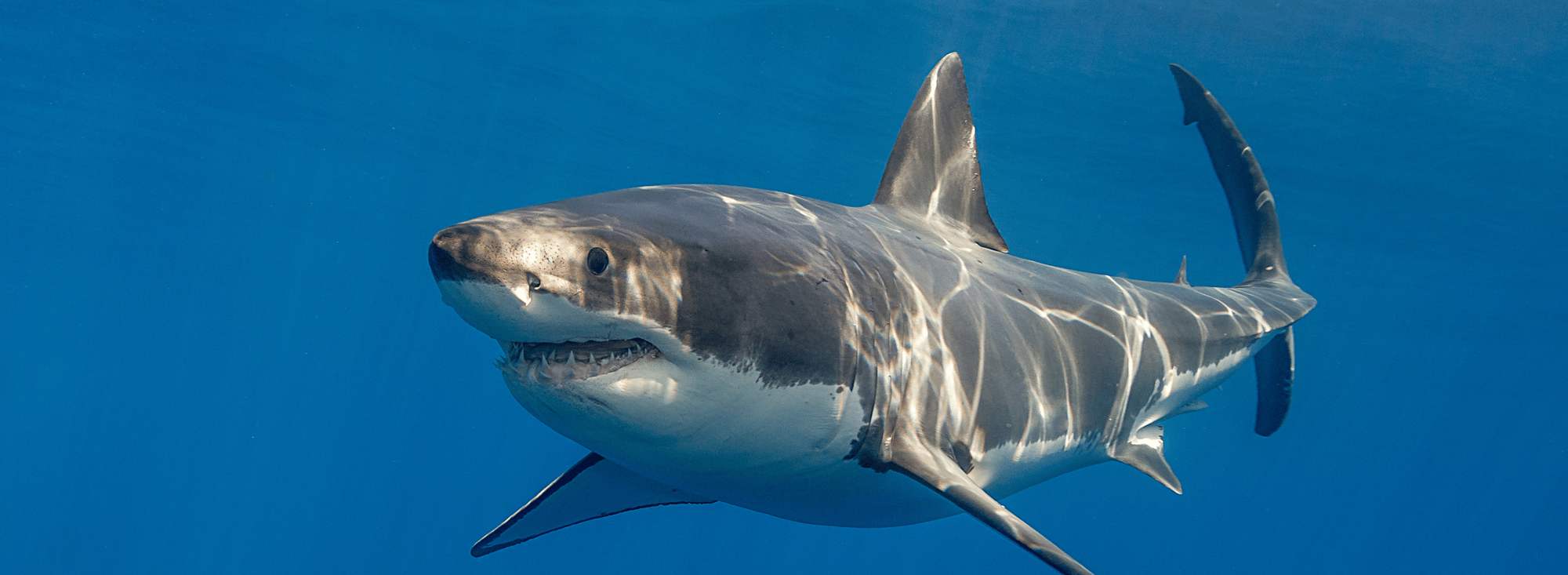
2026 OCEARCH VIRTUAL STEM CAMPS
REGISTRATION BEGINS JUNE 1
Availability is limited
Join OCEARCH this summer for a virtual STEM Camp designed to connect students with real shark science, the OCEARCH Global Shark Tracker™, guest speakers, hands-on STEM activities, and a creative final project.
Students will explore shark evolution, white shark senses, ocean challenges, and the ways sharks may adapt to survive in a changing ocean. Throughout the week, students will act as “shark evolution scientists” as they design a brand-new shark sensory ability inspired by real science and real shark tracking data.
All virtual sessions will be hosted through Google Meet, with camp materials, assignments, project instructions, and updates shared through Google Classroom.
At the end of STEM Camp, students will receive a certificate of completion and OCEARCH goodies.
Middle School STEM Camp : July 13–16
Session Time: 1:00-2:30 pm EST
Virtual presentations, projects, and guest speakers
High School STEM Camp : July 27–30
Session Time: 1:00-2:30 pm EST
Virtual presentations, projects, and guest speakers
Registration Fee: $65 per student
Daily Sessions: Students will meet virtually each day of camp for approximately 1 to 1.5 hours.
Google Meet / Google Classroom invites will be sent out JULY 10 for Middle School students and JULY 24 for High School students. If needed we can do a teacher hour to set up on first day before classes.
_____________________________
Students will need access to internet connection, as all camp sessions will be hosted virtually through Google Meet.
Camp materials, assignments, project instructions, and updates will be shared through Google Classroom, so students should be comfortable accessing Google Classroom throughout the week.
Students Will Need:
-
- Reliable internet access
- A device that can join Google Meet
- Access to Google Classroom
- Basic supplies for optional STEM activities, which will be shared before camp begins
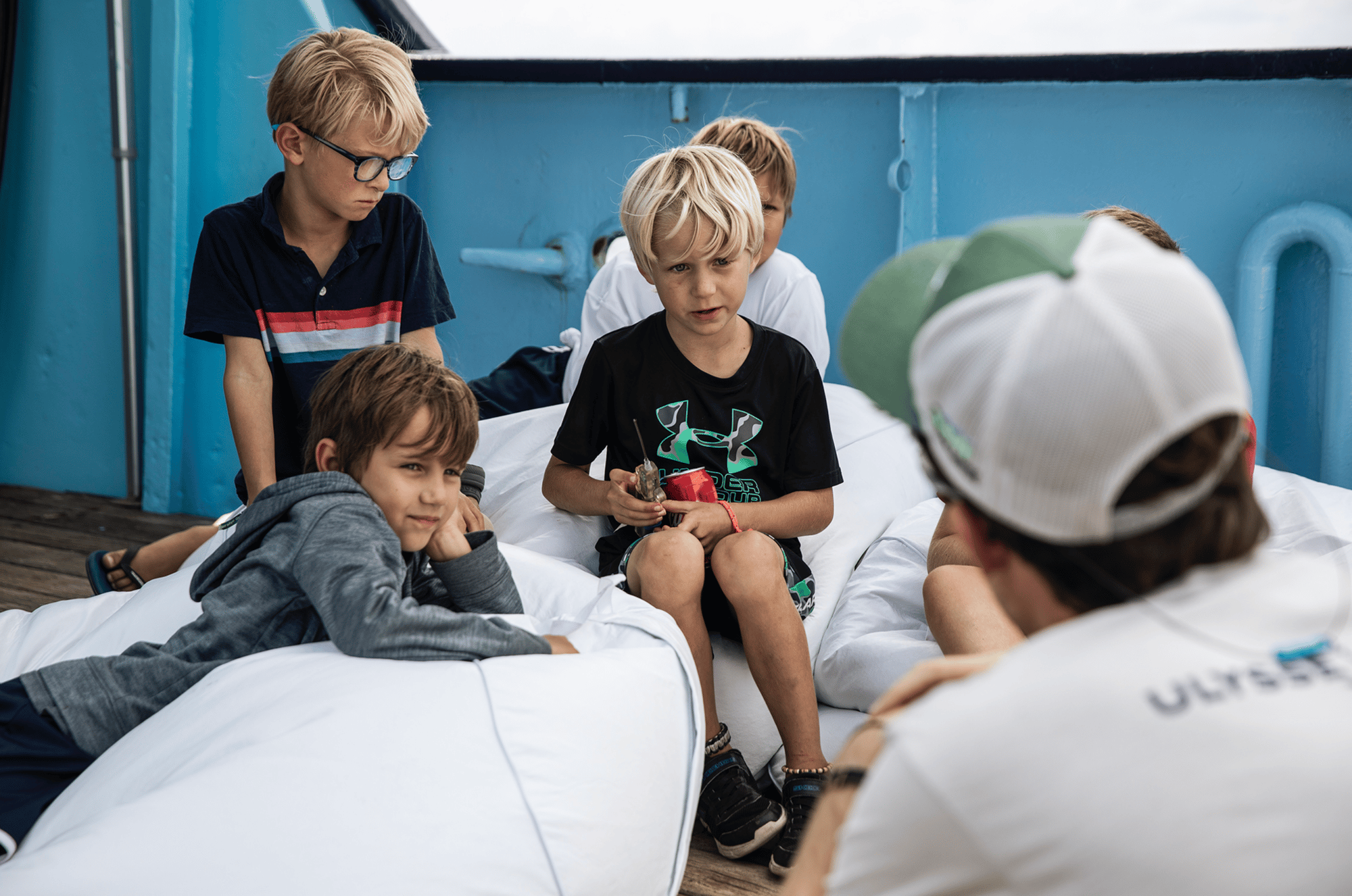
This summer, students can dive into the world of shark science with OCEARCH Virtual STEM Camp! Through live virtual presentations, guest speakers, optional hands-on STEM activities, and a creative final project, students will explore shark evolution, white shark senses, ocean challenges, and the future of shark adaptation.
2026 Camp Schedule
Day 1: Shark Evolution | Sharks Through Time
Students will begin camp by exploring the evolution of sharks, with a special focus on the white shark. They will learn how sharks have survived for hundreds of millions of years and compare ancient sharks to modern species.
Topics Include:
Sharks as ancient survivors that have been around for about 400 million years-
- How sharks existed before dinosaurs
- How early sharks looked different from sharks today
- The evolution of shark teeth, body shapes, diets, gills, and adaptations
- An introduction to Megalodon and how ancient sharks compare to modern white sharks
- Why sharks have survived major changes in Earth’s history
Students will also be introduced to their final project and begin thinking about how sharks may continue adapting to changing ocean conditions.
Optional STEM activity included.
Day 2: White Shark Senses | Shark Superpowers
Day 2 dives into the incredible senses that help white sharks survive. Students will learn how sharks use smell, hearing, sight, the lateral line, and electroreception to navigate their environment, find food, and respond to the world around them.
Topics Include:
-
- Smell: how sharks detect tiny amounts of scent in the water
- Hearing: how sharks hear low-frequency sounds, such as splashing fish
- Sight: how sharks see in low light and use vision while hunting
- Lateral line: how sharks detect vibrations and movement in the water
- Electroreception: how sharks use special organs called Ampullae of Lorenzini to detect electrical signals from animals
Students will connect these real shark “superpowers” to their final project by asking:
If sharks already have amazing senses, what new sense might help them survive in the future?
Optional STEM activity included.
Day 2 STEM Activity: Electric Sharks | Electroreception
Students will explore the concept of electroreception through a simple static electricity activity.
Concept:
Sharks can detect electrical signals from animals using organs called Ampullae of Lorenzini.
Activity: Static Electricity Detector
Materials:
-
- Balloon
- Small pieces of paper
- Wool sweater or hair
Science Connection:
Just like static electricity can pull small pieces of paper toward a balloon, sharks can sense tiny electrical signals produced by the muscle movements of prey. Species like the white shark rely heavily on this sense when hunting.
Day 3: Ocean Challenges | What Makes Sharks Vulnerable?
On Day 3, students will explore the challenges white sharks and other shark species face in the ocean today. This session will keep the conversation age-appropriate, science-based, and empowering, helping students understand human impacts while focusing on solutions and creativity.
Topics Include:
-
- Pollution and plastic in the ocean
- Habitat degradation and the loss of important ocean habitats
- Overfishing and bycatch
- Why white sharks are vulnerable because of slow growth, late maturity, and fewer offspring
- How changing ocean conditions may impact shark survival
- How sharks may need to adapt in response to environmental change
Students will use this session to strengthen their final project ideas by choosing one threat their new shark sense will help counteract.
Optional STEM activity included.
Day 4: Student Presentations & Q/A
The final day of STEM Camp will be focused on student presentations and discussion. Students will share their final projects, explain their invented shark sense, and describe how it could help their chosen shark survive.
Students Will:
-
- Present their final project
- Explain the shark they selected from the OCEARCH Global Shark Tracker™
- Identify the ocean challenge their shark is facing
- Describe their invented sensory ability
- Explain how the new sense could help their shark survive
- Ask at least two questions about other students’ projects
- Receive feedback and participate in group discussion
This final session gives students the opportunity to practice communication, creativity, science reasoning, and peer engagement.
Final Project: Invent a New Shark Super Sense
For the final project, students will select a shark from the OCEARCH Global Shark Tracker™ and study where that shark spends most of its time. They will then identify one ocean challenge their shark may face, such as pollution, habitat degradation, warmer waters, overfishing, or habitat loss.
Using what they learn throughout the week, students will invent a brand-new sensory ability that could help their shark survive in a changing ocean. They will explain the science behind their idea, describe how the new sense works, and show how it could help their shark respond to a specific threat.
This project encourages students to combine creativity, critical thinking, conservation, and real-world shark science.
How Long Are The Daily Sessions?
Students will meet virtually each day of camp for approximately 1 to 1.5 hours.
When Are The Camp Dates?
Middle School STEM Camp: July 13–16
High School STEM Camp: July 27–30
Where Does Camp Take Place?
This is a virtual STEM Camp. Students will participate through live online sessions hosted on Google Meet.
How Much Does Camp Cost?
The cost is $65 per student.
What Platform Will Students Use?
Live sessions will be hosted through Google Meet. Camp materials, assignments, project instructions, and updates will be shared through Google Classroom.
What Will Students Need To Participate?
Students will need reliable internet access, a device that can join Google Meet, and access to Google Classroom. A list of basic supplies for optional STEM activities will be shared before camp begins.
What Will Students Receive?
Students who complete STEM Camp will receive a certificate of completion and OCEARCH goodies.
Will Students Complete a Project?
Yes. Students will complete a final project where they select a shark from the OCEARCH Global Shark Tracker™ and invent a new sensory ability that could help that shark survive in a changing ocean.
Are STEM Activities Required?
STEM activities may be offered throughout the week as optional extensions. Students are encouraged to participate, but they do not have to complete every activity to enjoy the camp experience.